Downey highlight
Aerospace history
North American Aviation's Space and Information Systems Division in Downey built the Apollo Command and Service Modules, with the contract signed August 14, 1963, representing the largest R&D investment of its era.
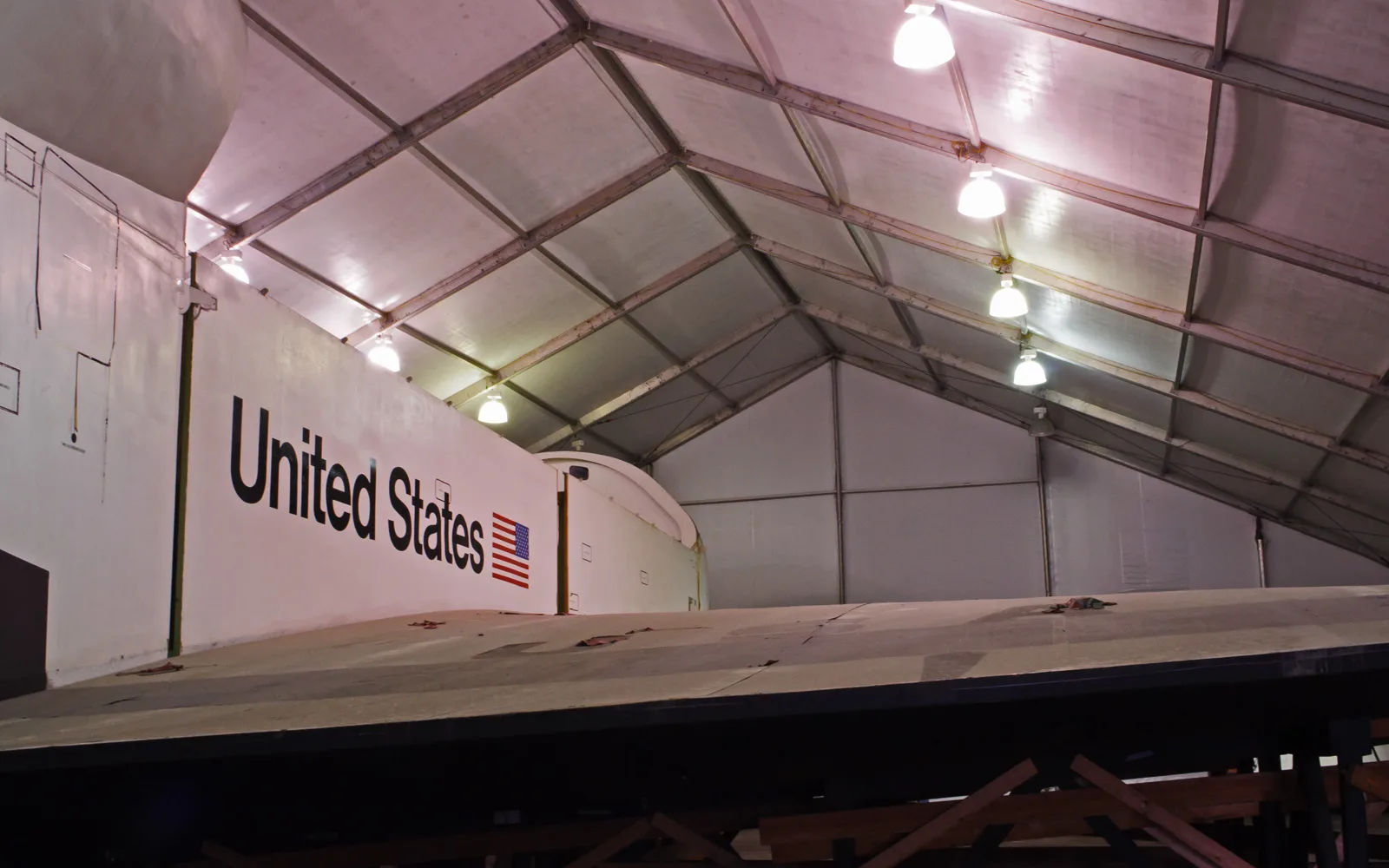
In November 1961, NASA selected North American Aviation's Space and Information Systems Division in Downey to design and build the Apollo Command and Service Modules. On August 14, 1963, NASA Administrator James E. Webb signed the definitive contract for $938.4 million—the largest single research and development contract in the United States up to that time. The agreement eventually grew to $3.8 billion as the program expanded.
At its peak, the Downey facility employed 35,000 workers building the spacecraft that carried astronauts to the moon and back. After the Apollo program, the plant continued its aerospace mission, assembling Space Shuttle Orbiters from 1972 to 1999. The facility operated for over seventy years, from its origins in 1929 through WWII aircraft production, the space race, and the shuttle era, before closing in 1999 when Boeing consolidated operations. Today, the Columbia Memorial Space Center on the former plant site educates the community about this legacy.
Families in Downey have always understood the stakes of planning ahead. The engineers and technicians who worked at the aerospace plant were building systems that required absolute reliability—lives depended on every decision and every calculation being correct. That same principle applies to personal financial planning: the coverage you choose today ensures that the people depending on your income will be protected if something goes wrong.